
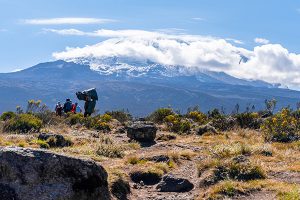
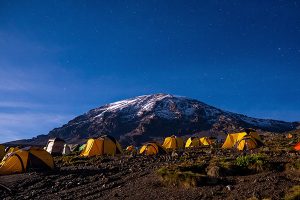
Climbing Mount Kilimanjaro is one of the greatest adventures in Africa. Standing at 5,895 meters (19,341 feet), Kilimanjaro takes climbers through rainforest, moorland, alpine desert, and icy summit conditions. Because the mountain has multiple climate zones, having the right gear is extremely important for comfort, safety, and summit success.
Many climbers ask the same question before booking their trek: What gear do I need for Kilimanjaro?
The good news is that you do not need technical climbing equipment because Kilimanjaro is a trekking mountain, not a technical mountaineering climb. However, proper clothing and quality gear are essential to handle changing temperatures, high altitude, wind, rain, and cold summit nights.
This guide explains the essential Kilimanjaro packing list and the gear every climber should bring for a successful adventure.
Why Proper Gear Matters on Kilimanjaro
Temperatures on Mount Kilimanjaro can change dramatically during the climb.
- At the base: warm and humid
- Mid mountain: cool and windy
- Summit night: freezing temperatures below -10°C
Wearing the wrong gear can lead to:
- Cold exposure
- Blisters
- Wet clothing
- Poor sleep
- Altitude discomfort
- Failed summit attempts
Proper layering and quality trekking equipment help climbers stay warm, dry, and comfortable throughout the journey.
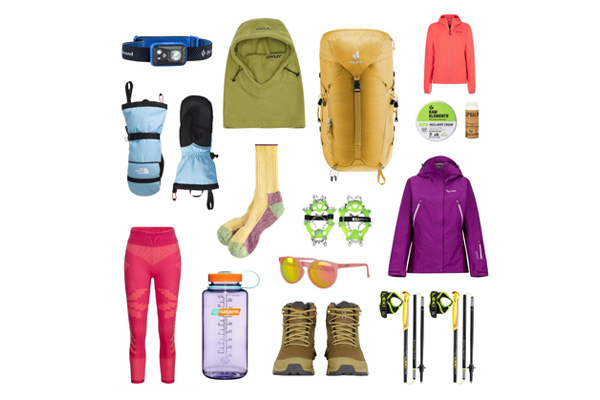
Essential Clothing for Kilimanjaro
1. Base Layers
Base layers help regulate body temperature and keep sweat away from the skin.
Recommended items:
- Moisture-wicking thermal tops
- Thermal leggings
- Quick-dry shirts
Avoid cotton because it absorbs moisture and becomes cold.
2. Insulating Layers
Insulating layers provide warmth during cold evenings and summit night.
Recommended gear:
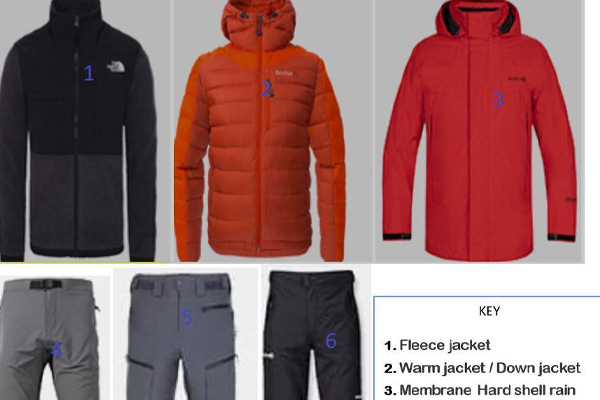
- Fleece jacket
- Down jacket
- Insulated trekking pants
A high-quality down jacket is one of the most important items for the summit.
3. Waterproof Outer Layers
Weather on Kilimanjaro can change quickly. Rain and wind protection are essential.
You should bring:
- Waterproof jacket
- Waterproof trekking pants
- Rain cover for backpack
A breathable waterproof shell works best.
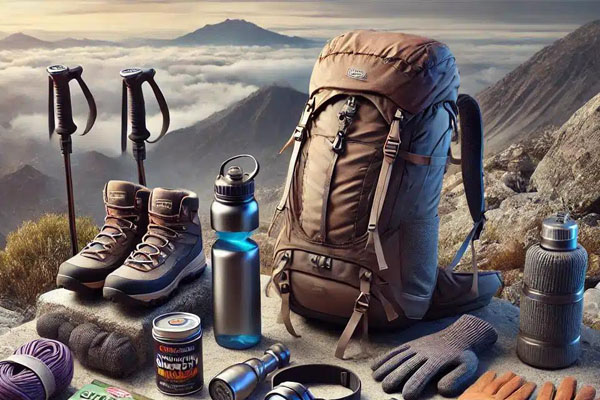
Best Hiking Boots for Kilimanjaro
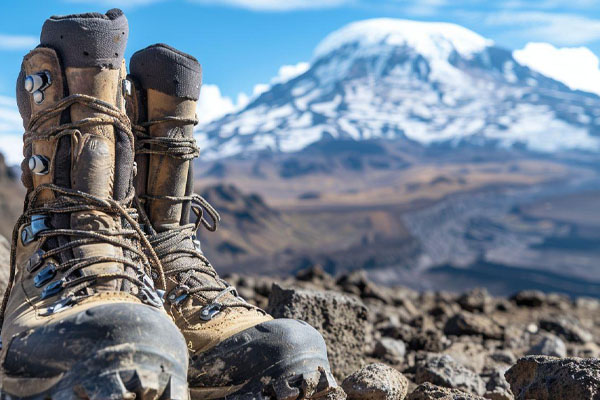
Your boots are one of the most important pieces of equipment.
Choose:
- Waterproof hiking boots
- Good ankle support
- Comfortable fit
- Broken-in boots
Never climb Kilimanjaro with brand-new boots because they may cause blisters.
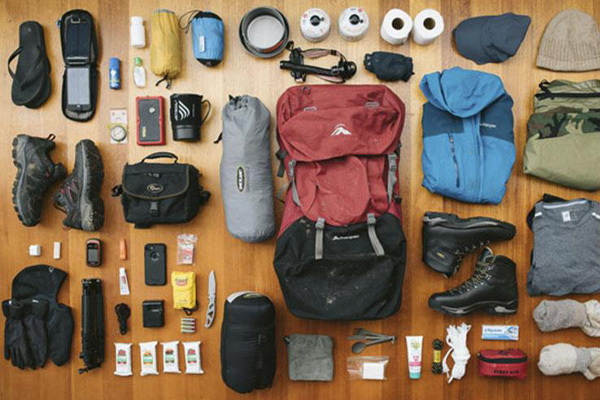
6
Backpack and Duffel Bag
Most climbers carry a small daypack while porters carry larger duffel bags.
Daypack Essentials
Your daypack should include:
- Water bottles or hydration pack
- Snacks
- Rain jacket
- Gloves
- Camera
- Sunscreen
- Headlamp
Recommended size:
- 30–40 liters
Duffel Bag
Porters usually carry your main duffel bag during the climb.
Recommended:
- Waterproof duffel
- Around 90 liters
Sleeping Gear
Although tour companies often provide tents, you still need personal sleeping equipment.
Essential items:
- Four-season sleeping bag
- Sleeping bag liner
- Inflatable pillow (optional)
Choose a sleeping bag rated to at least -10°C or colder.
Summit Night Gear
Summit night is the coldest and most challenging part of the climb.
Essential summit gear includes:
- Heavy down jacket
- Warm gloves or mittens
- Thermal layers
- Balaclava or neck gaiter
- Warm hat
- Headlamp with extra batteries
Most summit attempts begin around midnight, so warm clothing is critical.
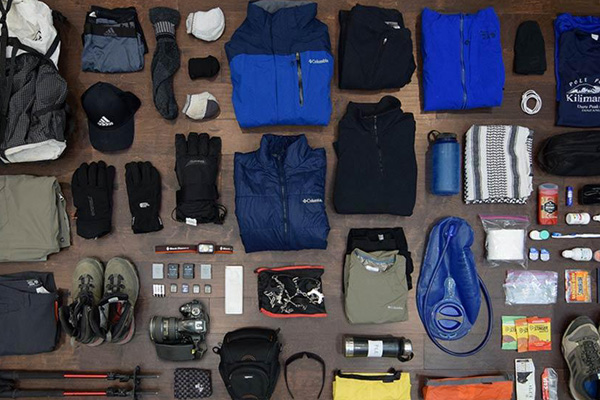
6
Accessories You Should Not Forget
Sunglasses
Snow and strong sunlight at high altitude can damage your eyes.
Bring:
- UV-protection sunglasses
Trekking Poles
Trekking poles help reduce pressure on knees and improve balance.
Especially useful during:
- Steep descents
- Summit night
- Loose volcanic terrain
Water Bottles and Hydration
Hydration is extremely important at altitude.
Bring:
- Reusable water bottles
- Hydration bladder
- Electrolyte powder
Most climbers drink 3–4 liters of water daily.
Headlamp
A headlamp is required for summit night hiking in darkness.
Bring:
- LED headlamp
- Extra batteries
Kilimanjaro Toiletries and Personal Items
Recommended personal items:
- Sunscreen
- Lip balm
- Wet wipes
- Toothbrush
- Hand sanitizer
- Quick-dry towel
- Personal medications
High SPF sunscreen is essential because UV exposure increases at altitude.
Electronics and Camera Gear
Many climbers want to capture the experience.
Recommended:
- Smartphone or camera
- Power bank
- Extra memory cards
- Waterproof bag for electronics
Cold weather drains batteries quickly, especially near the summit.
Do I Need Oxygen or Technical Climbing Equipment?
No technical climbing gear is required on Mount Kilimanjaro.
You do NOT need:
- Ropes
- Ice axes
- Crampons
- Harnesses
Kilimanjaro is a non-technical trekking mountain.
However, some tour operators carry emergency oxygen for safety purposes.
Can I Rent Gear in Tanzania?
Yes. Most Kilimanjaro companies offer rental gear in Moshi before the climb.
Common rental items include:
- Sleeping bags
- Trekking poles
- Down jackets
- Waterproof pants
- Gaiters
Renting gear can reduce travel luggage costs for international travelers.
Tips for Packing Kilimanjaro Gear
Pack in Layers
Layering helps adapt to changing weather conditions.
Keep Gear Dry
Use dry bags or waterproof covers.
Test Equipment Before Travel
Break in boots and test jackets before arriving in Tanzania.
Avoid Overpacking
Pack only essential items to keep bags manageable.
Final Thoughts
Having the right gear can make a huge difference during your Mount Kilimanjaro adventure. Proper clothing, warm layers, waterproof protection, and quality hiking boots help climbers stay comfortable and increase summit success.
The best Kilimanjaro packing strategy is to prepare for both warm daytime temperatures and freezing summit conditions. Investing in good gear ensures a safer, more enjoyable trekking experience on Africa’s highest mountain.
Whether you choose the Machame Route, Lemosho Route, Marangu Route, or Northern Circuit, being properly equipped gives you the confidence to reach Uhuru Peak successfully.
Start preparing your Kilimanjaro gear checklist early, train well, and get ready for the adventure of a lifetime in Tanzania.


Nemo enim ipsam voluptatem quia voluptas sit aspernatur aut odit aut fugit, sed quia consequuntur magni dolores eos qui ratione voluptatem sequi nesciunt.